Powering Through
What does that look like? After the ugly crying, a lot of talking to myself. Starting with a small dose of chastisement. Followed by, I think the kids call it “re-parenting”. Afterwards, some drawing, colouring, re-watching TV shows. That, I find, is a great way to zone out for an hour plus. You know the plot. You don’t have to think. It’s comforting.
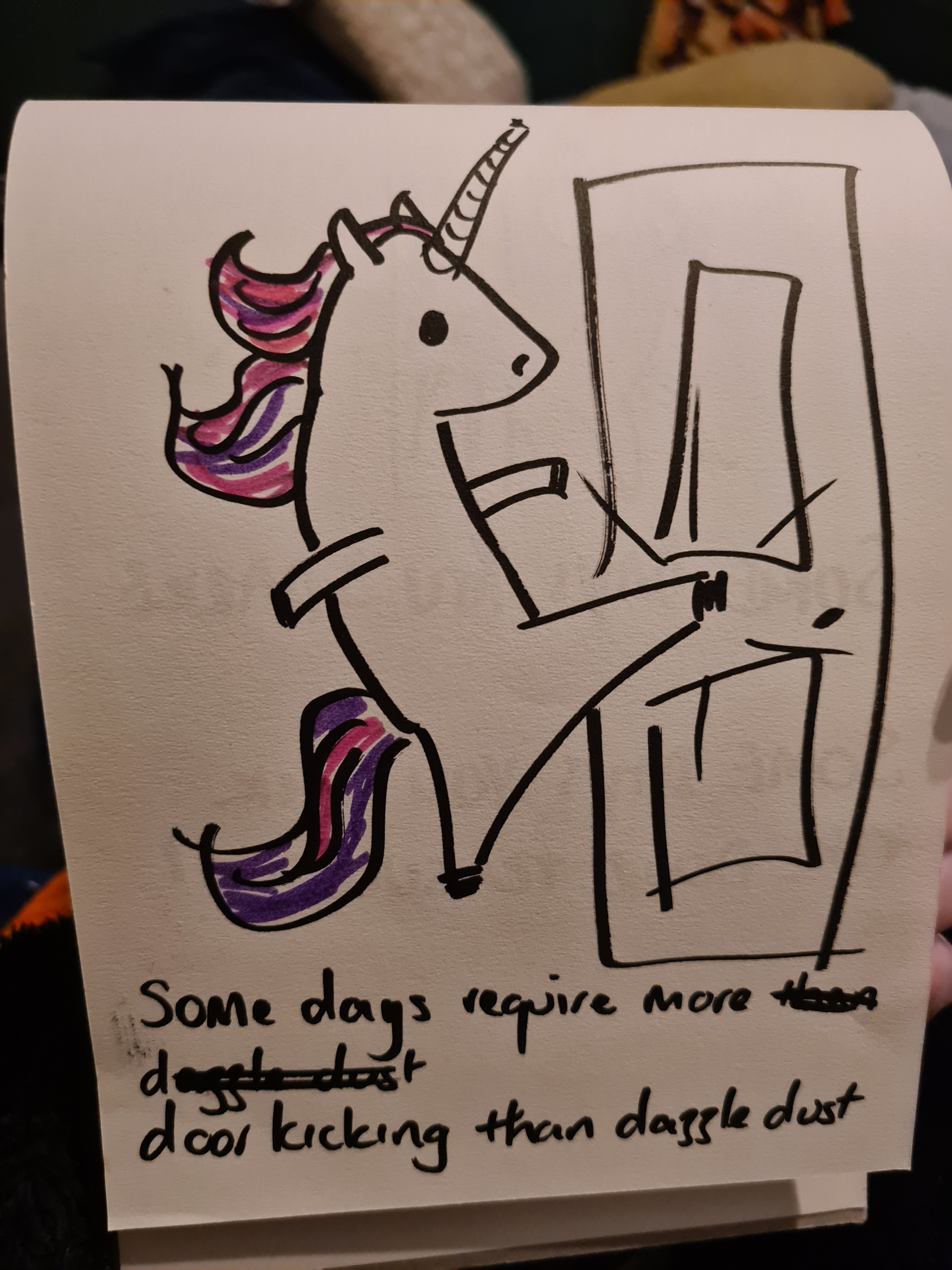

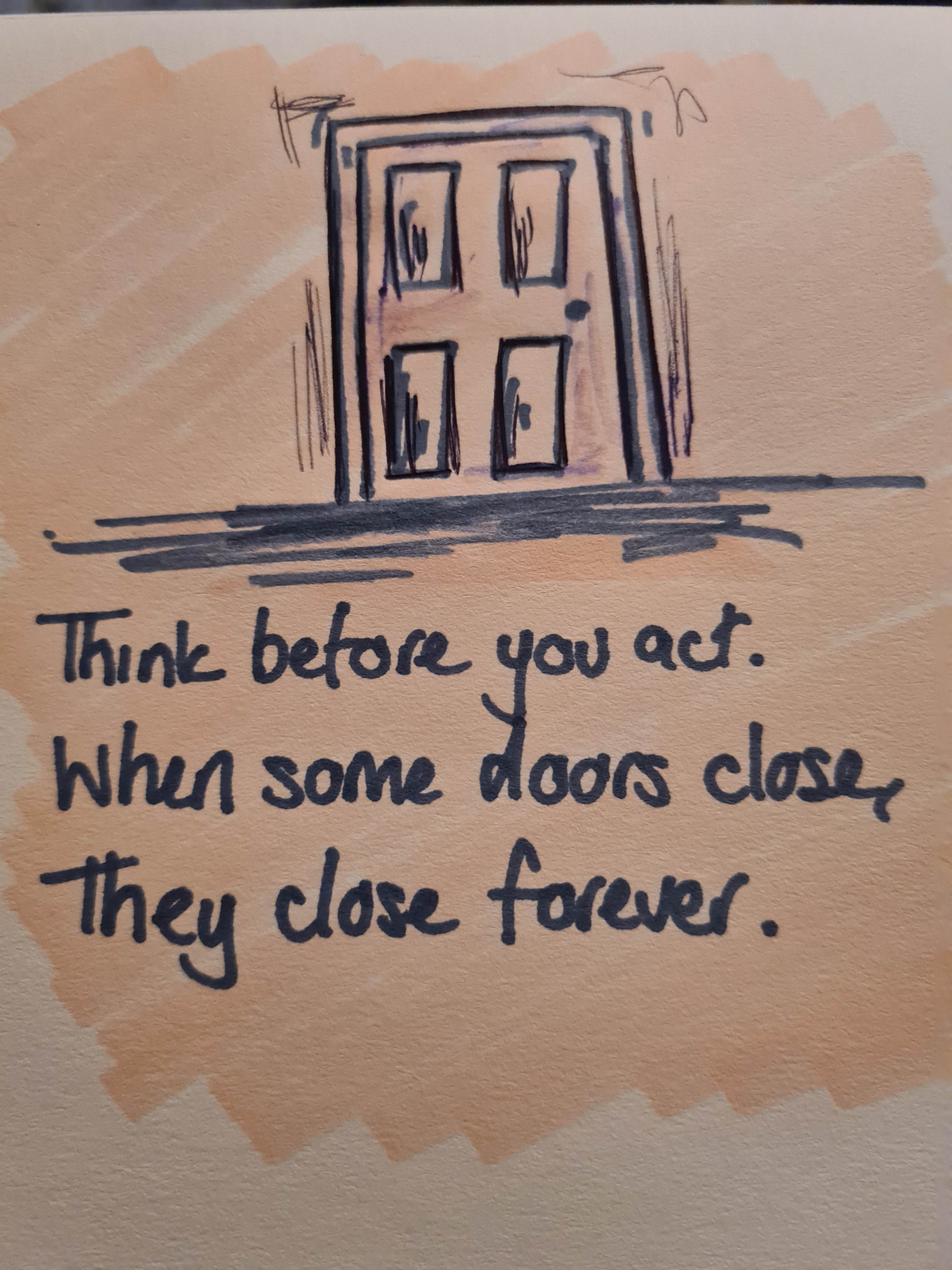
I don’t think they are going to win any prizes although I did these for me.
To Thyself be Kind
Humour. Another, yet less destructive, mechanism for coping. Reparenting is another one and not just some buzz word. It’s a powerful support tool to have in ones arsenal. Take the pictures above. They are a little element which helps to create structure. A fun and gentle activity. I can take myself into the zone. I can tune out the crap in the brain telling me to go get that wine. I am making time for play, no guilt attached. It’s plain to see what the rewards are. Cute little pictures. Writing this all down and sharing for the world (who am I kidding) to see, is another. That one may need a rethink.
So what is reparenting and why do it?
Personally, I have discovered that it’s hugely helpful in my sobriety journey. It is especially helpful as trauma, emotional neglect, or dysfunctional family dynamics plays a role in my own story. Learning how to process difficult or complex feelings needs patience, love and understanding. Things that weren’t often available during formative years. Certainly these are some factors why drinking took such a firm hold. It’s a powerful process of healing the parts of you that were ignored. It heals the parts that were shamed or never taught how to feel safe. Its taken some cynicism removal to move through and use this. I’m glad. Really glad.
[I am not a therapist or counsellor. I’ve simply researched and started applying much of this to myself and have found helpful or are still working towards. You do you if it helps.]
Yeah, But Why Does Reparenting Help in Sobriety?
1. Simple Enough. You stop waiting for someone else to rescue you
When you’re sober, all the feelings you used to numb come up full-force. Waking up every morning dehydrated because of crying, good indicator. If you had a childhood where your needs weren’t met consistently, you most certainly learned to deny those needs. These unmet needs were either emotional or physical, and indeed, for me both.
Reparenting says: “you’ve got you now.“
It’s the process of learning to:
- Comfort yourself instead of self-medicating
- Set boundaries instead of people-pleasing (still working on this)
- Allow anger, grief, or joy without shame
- Give yourself what your caregivers didn’t (love, protection, consistency, safety)
2. It helps rebuild trust—with yourself
Addiction often comes with cycles of guilt, self-loathing, and broken promises to yourself. Reparenting shifts that narrative. It’s not “disciplining” yourself into being better. It’s learning how to care for yourself in a way that feels loving and secure.
You become the safe adult you didn’t have.
3. It directly addresses the root cause, not just the symptoms
Alcohol (or any addiction) is often just the surface layer. Underneath is pain, fear, abandonment, shame. Reparenting digs down and says:
“Hey, I see you. What do you actually need right now?”
Techniques for Reparenting in Sobriety
1. Daily Check-Ins
Ask yourself:
- What do I need today?
- How am I feeling?
- What would I say to a child feeling this way?
This builds emotional awareness and models nurturing instead of numbing.
2. Inner Child Work
Look at a photo of yourself as a child. Visualise talking to them. Write letters. Ask:
- What did you want to hear?
- What were you afraid of?
- What did you need but never got?
Then give it to yourself—through words, rituals, kindness.
3. Create Structure
Little you needed routines, consistency, and a sense of safety. You can give that to yourself now:
- Have morning and evening rituals
- Plan gentle activities (not just chores or achievements)
- Make time for rest, play, and rewards—without guilt
4. Talk to Yourself Differently
Notice your inner critic (it might sound like a parent or teacher). Interrupt it with kindness. This is the one I struggle with the most! This and point 5.
Try:
- “Of course you’re struggling. This is new and hard.”
- “You’re not broken. You’re healing.”
- “I’m here. I’ve got you.”
5. Boundaries as Protection, Not Punishment
Start saying no to things that feel wrong in your body. Protect your time, your sobriety, and your peace.
This is reparenting in action—choosing safety over approval.
Reparenting can be exhausting at first. Because, let’s face it, you’re doing a job someone else should’ve done for you. That’s unfair. And it’s also freeing as hell when you realise: you don’t need them to show up anymore. Because you are.
And that’s power.
I always intended to speak to why drinking became a monkey on my back. I just wasn’t intending on it happening so quickly. I had a whole structure to this blog. It’s more free fall right now. And that’s OK. A lot of unpublished and angry drafts sitting waiting for a blip. Let’s see if parenting myself can let go, move forward, stop this incessant punishing. Life gets hard. I am finding ways to deal with this. I will keep on this journey. I need to.
This blog was supposed to be my “I did it.” One year sober. A small act of pride after a lifetime of silence, self-doubt, and hiding. I wanted it to mark the moment I came back to myself.
And then everything cracked open. I handed in my notice. My mum died. I cried more than I ever have. I remembered why I drank. And I felt it—all of it. Sober. Raw. Terrified.
But I stayed. I didn’t run. I didn’t pour a drink. I didn’t abandon myself this time.
Instead, I learned to stay with the scared parts. To mother myself. To show up like no one ever did for me.
The last person who ever punished me for feeling too much, for being too much, for simply being—she’s gone now.
And I’m still here.
Still sober.
Still mine.


 Not For Me, Thanks
Leave a comment